
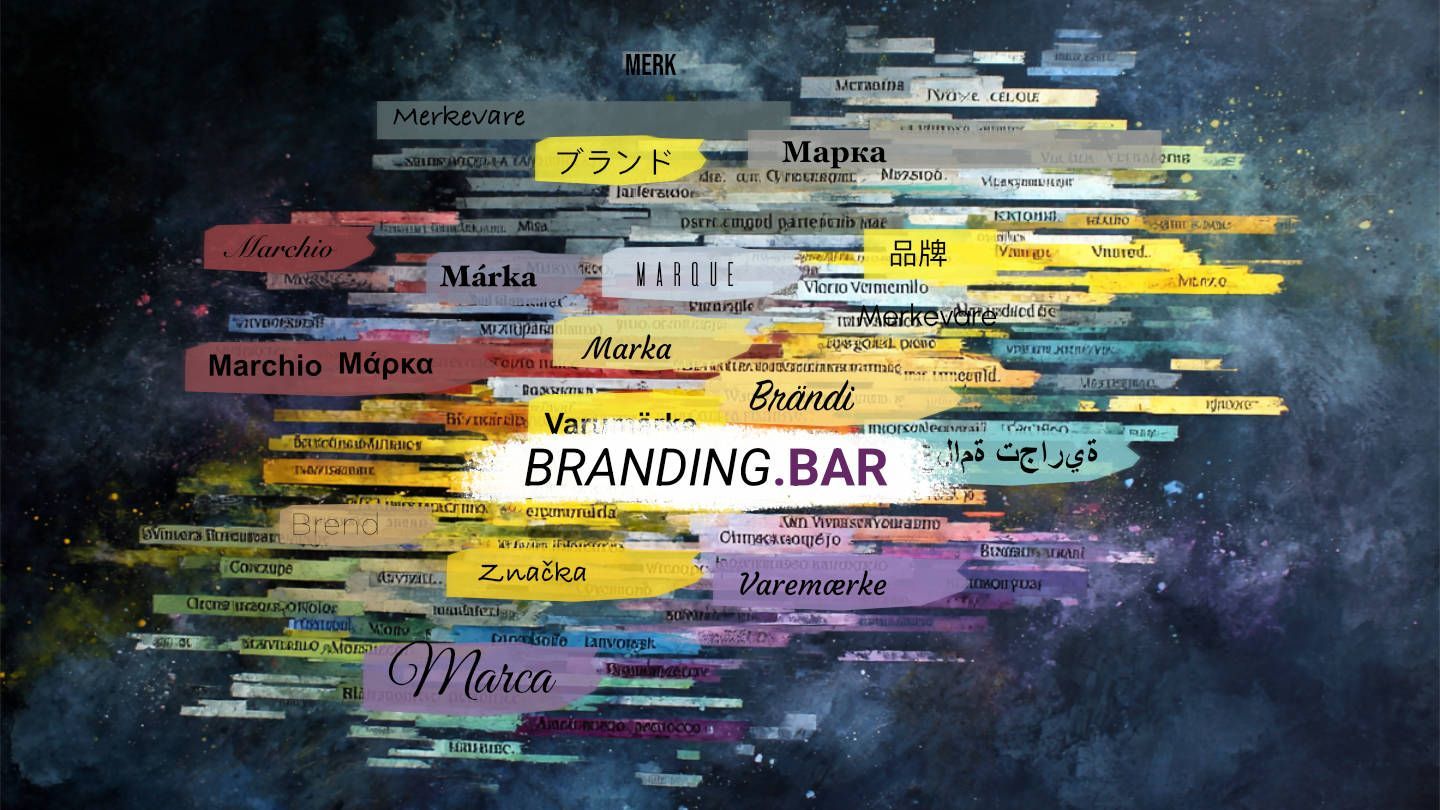


The right Domain for all languages

How .BAR and .REST Are Bridging Cultures and Elevating Hospitality Brands Worldwide

In today’s globalized world, your brand doesn’t stop at your country’s border — and neither should your domain name. For bars and restaurants, a smart, strategic domain can become your brand’s passport to international recognition and trust.


Enter .BAR and .REST — two domain extensions that transcend language barriers, instantly signaling hospitality in dozens of languages and cultures.

A Domain That Speaks the World’s Language

One of the most powerful aspects of .BAR and .REST is their universal recognition:


✅ “Bar” is a word that’s the same or very similar in English, Spanish, German, French, Italian, Russian, and many more. Whether you’re in New York, Berlin, or Tokyo, people know what to expect when they see “bar” in a name.

✅ “Rest” instantly evokes restaurants and dining — in Spanish (restaurante), French (restaurant), Portuguese (restaurante), and even Japanese (resutoran). It’s a globally understood hint that your business is about food and hospitality.


This natural compatibility means your domain isn’t just a name — it’s an invitation to international guests who already feel familiar and comfortable with what you offer.

Here’s why making the switch (or starting afresh) with a .bar or .rest domain can benefit your hospitality business:

No Translation Needed: Global Clarity, Local Relevance

Imagine you’re opening a tapas bar in Madrid, a whiskey lounge in Berlin, or a ramen spot in São Paulo. With .BAR or .REST, you don’t need to force clunky translations or add extra words to clarify what your business does — your domain does it for you.

Instead of:

  • tapasbar-madrid.com
  • whiskeylounge-berlin.com
  • ramenrestaurant-sampa.com

You can simply use:

  • tapas.bar
  • whiskey.bar
  • ramen.rest

These domains are:

🔗 Shorter and easier to remember

🔗 Cleaner on signage and social media

🔗 Instantly recognizable in any language

The Power of Consistency in a Global Market

In a world where customers are bombarded with digital noise, a domain that’s short, relevant, and globally understood is a game-changer.

  • Build Trust: Customers see a domain that aligns perfectly with your industry — no guesswork.
  • Enhance Recognition: Stand out in a sea of long, generic .com addresses.
  • Expand Beyond Borders: With a domain that “speaks” hospitality in every market, you’re ready to welcome guests from around the world.

Your Brand Deserves a Global Voice

The internet has no borders — and neither does your brand’s potential. With .BAR and .REST, you’re not just choosing a domain; you’re choosing a universal language of hospitality.

Final Takeaway

  • “.bar” is near-universally recognized as a place for drinks and socializing — its adoption as a TLD feels natural almost everywhere.
  • .rest” leverages the global familiarity of “restaurant,” making it highly relevant in most international markets — especially in hospitality, travel, and food-and-beverage businesses.

Ready to make your brand’s message clearer, stronger, and more memorable worldwide? 👉 Discover your perfect domain at ideas.bar and join the global wave of bars and restaurants elevating their digital presence.

🌍 “Bar” as a Universal Concept

The term “bar” is widely recognized across many languages, even when it isn’t a native word, because of its global adoption in hospitality (drinks, social spaces). Here’s a breakdown:

Language

Typical Term / Use for “Bar”

English

bar (direct)

Spanish

bar (direct)

German

bar (direct)

French

bar (direct)

Portuguese

bar (direct)

Italian

bar (direct)

Dutch

bar (direct)

Russian

бар (bar)

Polish

bar (direct)

Czech

bar (direct)

Swedish

bar (direct)

Norwegian

bar (direct)

Finnish

baari

Japanese

バー (bā)

Korean

바 (ba)

Chinese

酒吧 (jiǔbā) — “wine bar” or “bar” in general

Turkish

bar (direct)

Greek

μπαρ (bar)

Arabic

بار (bār) — used in cosmopolitan contexts

✅ Even in countries where local drinking spots have different traditional names (like pub in the UK or izakaya in Japan), “bar” is still widely used in international or modern hospitality contexts.

🌍 “.rest” and Restaurant-Related Terms

The .REST domain extension is strongly associated with restaurants internationally. Let’s see how “restaurant” (or a variation) is used in different languages:

Language

Typical Term / Use for “Bar”

English

restaurant

Spanish

restaurante

French

restaurant

Portuguese

restaurante

Italian

ristorante

German

restaurant

Dutch

restaurant

Russian

ресторан (restoran)

Polish

restauracja

Turkish

restoran

Greek

εστιατόριο (estiatorio)

Arabic

مطعم (maṭʿam) — not “rest”, but “restaurant” in formal Arabic; in urban settings “restaurant” is often borrowed directly

Japanese

レストラン (resutoran) — direct borrowing from “restaurant”

Korean

레스토랑 (reseutorang) — direct borrowing

Chinese

餐厅 (cāntīng) — but “restaurant” is also recognized in metropolitan areas

✅ While .REST may not map 1:1 with every local term, the international familiarity with “restaurant” in English — and the frequent direct borrowing — means that .REST is widely understandable in global hospitality and tourism contexts.

Latest posts

By ideas.bar October 31, 2025
Search Engine Optimization (SEO) can feel like a mysterious science, but at its core, it’s about one thing: helping people find you online. And one of the most underrated SEO assets you can own is your domain name. The right domain gives you a head start before they even click
By ideas.bar October 31, 2025
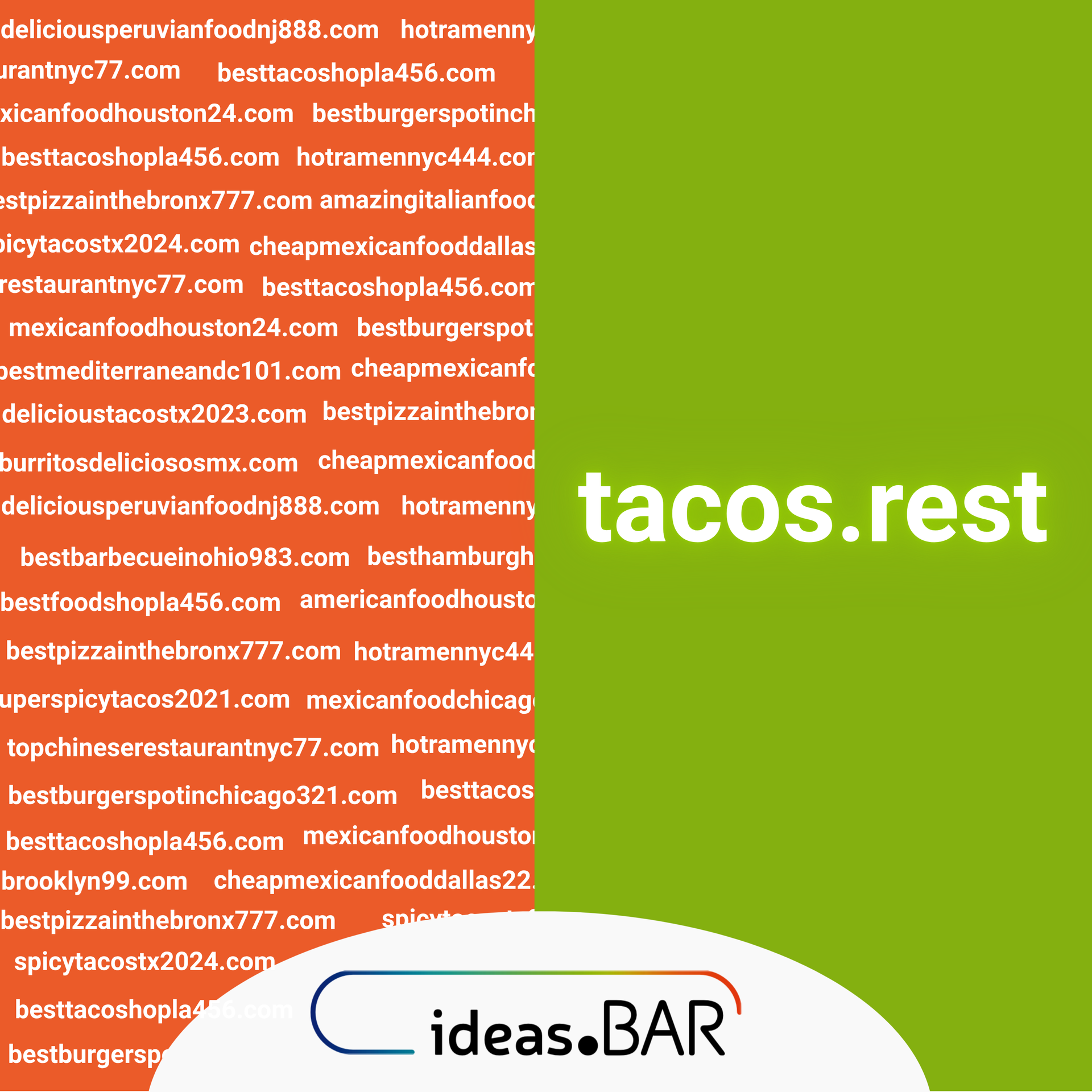
In the digital world, .com has long reigned supreme. But for many entrepreneurs today, that reign comes with its frustrations:  That’s why the future belongs to alternative TLDs—like .BAR, .REST, .tech, and .xyz In a world of saturation, these offer clarity, creativity, and branding finesse.

By ideas.bar October 31, 2025
For decades, businesses only had a handful of “official” options: .com, .org, .net, or country-specific endings like .co.uk (United Kingdom), .au (Australia), or .mx (Mexico). These worked fine — but they were limited. As more businesses came online, it became harder (and more expensive) to find short, relevant names.